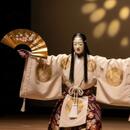
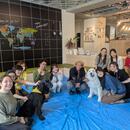
Upcoming Events Past Events - Any -Student Engagement (Tokyo)Career SupportStudent Engagement (Kyoto)UndergraduateGraduate College of EducationBeasley School of LawMaster in Management ProgramMaster Science in Communication ManagementAcademic English ProgramContinuing EducationCorporate EducationResearch and Creative Works at TUJInstitute of Contemporary Asian Studies (ICAS)大学学部課程大学院教育学研究科ロースクールマネジメント修士コミュニケーションマネジメント修士アカデミック・イングリッシュ・ プログラム生涯教育プログラム企業内教育プログラム October 7–7, 2026, 12:00 am - 2:00 am 10/6 11:00 AM │ Student Activities: Sushi-Making Workshop at Hillside Student Engagement (Tokyo) October 7–8, 2026, 11:00 pm - 2:00 am 2026/10/07 10:00AM │ What is the Master in Management? Master in Management Program October 8–8, 2026, 3:30 am - 7:00 am 2026/10/07 2:30PM │ Sophia-TUJ Career Fair 2026 in English Career Support October 8–8, 2026, 5:00 am - 7:00 am 10/7 │ Student Activities: Build Your Best Meal - With SWU Food and Health Sciences Student Engagement (Tokyo) October 9–9, 2026, 7:30 am - 9:00 am 2026/10/08 6:30PM │ Beyond BTS, K-drama, and Kimchi: The Korean Wave (Hallyu) as a New Force in Global Media Representations Institute of Contemporary Asian Studies (ICAS) October 9–9, 2026, 7:30 am - 10:00 am 10/8 6:30 PM │ Student Activities: Movie Night at Hillside Center Student Engagement (Tokyo) October 10–13, 2026, 8:00 pm - 8:30 am 2026/10/10 - 10/12 │ Student Activities: Kanazawa Joint Overnight Trip Student Engagement (Tokyo) October 17–18, 2026, 9:00 pm - 4:00 am 2026/10/17 │ Student Activities: Rice Harvesting with Hosei University Student Engagement (Tokyo) October 18–18, 2026, 2:30 am - 5:00 am 2026/10/17 1:30 PM │ Information Session and Class Observation (Hybrid) Beasley School of Law October 18–19, 2026, 8:30 pm - 8:30 am 2026/10/18 │ Student Activities: Yamanashi Winery Tour Student Engagement (Tokyo) October 19–19, 2026, 2:00 am - 5:00 am 2026/10/18 1:00 PM │ On-Campus Information Sessions Undergraduate October 23–23, 2026, 1:00 am - 3:00 am 10/22 12:00 PM │ Student Activities: International Coffee Hour with Pacific Islander Club at Hillside Student Engagement (Tokyo) October 24–25, 2026, 8:00 pm - 7:30 am 2026/10/24 │ Student Activities: Travel with the Dean and Noriko Wilson & PB: Hakone Day Trip Student Engagement (Tokyo) October 29–29, 2026, 7:00 am - 8:30 am 10/28 6:00 PM │ Student Activities: Nihongo Café at Hillside Center Student Engagement (Tokyo) October 30–30, 2026, 8:30 am - 10:00 am 2026/10/29 7:30PM │ The Future is Foreign: Women and Immigrants in Corporate Japan Institute of Contemporary Asian Studies (ICAS) October 30–31, 2026, 11:00 pm - 4:00 am 2026/10/30 │ Student Activities: Pumpkin Carving Competition Student Engagement (Tokyo) October 31–31, 2026, 7:30 am - 10:00 am 2026/10/30 │ Student Activities: Discover Japanese Theater: Noh & Kyogen Student Engagement (Tokyo) October 31 - November 2, 2026, 8:00 pm - 9:00 am 2026/10/31-11/01 │ Student Activities: Aizu Wakamatsu Overnight Trip Student Engagement (Tokyo) November 1–1, 2026, 3:00 am - 6:00 am 2026/10/31 2:00PM │ Bar Exam Talk and Networking Party (Hybrid) Beasley School of Law November 7–16, 2026, 11:00 pm - 2:00 am 2026/11/7, 8, 14, 15 9:00 AM │ The Psycholinguistics of Multi-Word Expressions Graduate College of Education November 8–8, 2026, 3:00 am - 4:30 am 2026/11/7 │ Student Activities: Japanese Sweets Workshop Student Engagement (Tokyo) November 9–9, 2026, 3:00 am - 6:00 am 2026/11/8 1:00 PM │ On-Campus Information Sessions (Kyoto) Undergraduate November 12–12, 2026, 1:00 am - 4:00 am 2026/11/11 11:00AM │ Meet with Current MiM Students Master in Management Program November 13–13, 2026, 8:30 am - 10:00 am 2026/11/12 6:30PM │ Generationalism in Japan: Leave Them Kids (and Retirees) Alone! Institute of Contemporary Asian Studies (ICAS) November 14–16, 2026, 9:00 pm - 4:00 am 2026/11/14 - 11/15 │ Student Activities: Taiyoji Temple Stay Student Engagement (Tokyo) November 15–15, 2026, 12:00 am - 3:00 am 2026/11/14 10:00 AM │ Individual Consultation (Online) Beasley School of Law November 16–16, 2026, 3:00 am - 6:00 am 2026/11/15 1:00 PM │ On-Campus Information Sessions Undergraduate November 20–20, 2026, 8:30 am - 10:00 am 2026/11/19 6:30PM │ Help Wanted, Japan: Recruitment signs and the race between innovation and demographic decline Institute of Contemporary Asian Studies (ICAS) November 21–22, 2026, 9:00 pm - 8:30 am 2026/11/21 │ Student Activities: Mt. Imakuma Hiking Trip Student Engagement (Tokyo) November 22–23, 2026, 12:00 am - 8:00 am 2026/11/21 & 22 10:00 AM │ IRCAM Forum Workshop TOKYO 2026 Research and Creative Works at TUJ November 22–22, 2026, 9:00 am - 11:00 am TUJ Graduate College of Education Reception at JALT 2026 Graduate College of Education November 24–24, 2026, 3:00 am - 5:00 am 2026/11/23 │ Student Activities: Let’s Bowl! With Showa Women’s University Student Engagement (Tokyo) November 26–26, 2026, 8:00 am - 9:30 am 11/25 6:00 PM │ Student Activities: Nihongo Café at Hillside Center Student Engagement (Tokyo) November 27–27, 2026, 8:30 am - 11:00 am 11/26 6:30 PM │ Student Activities: Movie Night at Hillside Center Student Engagement (Tokyo) November 30–30, 2026, 12:00 am - 1:30 am 2026/11/29 10:00 AM │ Online Information Sessions Undergraduate December 3–3, 2026, 2:00 am - 4:00 am 12/2 12:00 PM │ Student Activities: De-Stress with Dogs at Hillside Center Student Engagement (Tokyo) December 4–4, 2026, 8:30 am - 10:00 am 2026/12/03 6:30PM │ What Were the 1970s in Japan? Driving Forces Across Pop Culture and Contemporary Art Institute of Contemporary Asian Studies (ICAS) December 7–7, 2026, 3:00 am - 6:00 am 2026/12/6 1:00 PM │ On-Campus Information Sessions (Kyoto) Undergraduate December 10–10, 2026, 1:00 am - 4:00 am 2026/12/09 11:00AM │ Is the MiM Program Right for You? Master in Management Program December 10–11, 2026, 9:00 pm - 11:00 am 2026/12/10 │ Student Activities: Tokyo Disney Resorts Day Trip Student Engagement (Tokyo) December 14–14, 2026, 3:00 am - 6:00 am 2026/12/13 1:00 PM │ On-Campus Information Sessions (Hillside Center) Undergraduate February 8–8, 2027, 2:00 am - 8:00 am 2027/2/7 12:00 PM │ The 28th Annual Temple University Japan Applied Linguistics Colloquium Call for Papers Graduate College of Education